Leadership Circle Login
Rewriting Login for Security, Scale, and Simplicity
Leadership Circle delivers leadership assessments and executive coaching to Fortune 500 and global organizations. With a high-security client base and a complex user ecosystem, we were tasked with redesigning the login experience. This included streamlining access, reducing confusion, and supporting a mix of enterprise SSO and individual users.
My Role
I was the sole UX designer on this project, responsible for reimagining the login experience from the ground up. I created user flows, clarified access logic, and collaborated closely with Product Managers Angel Viveros and Nelson Altamirano to ensure the outcome balanced stakeholder and user needs with technical constraints.
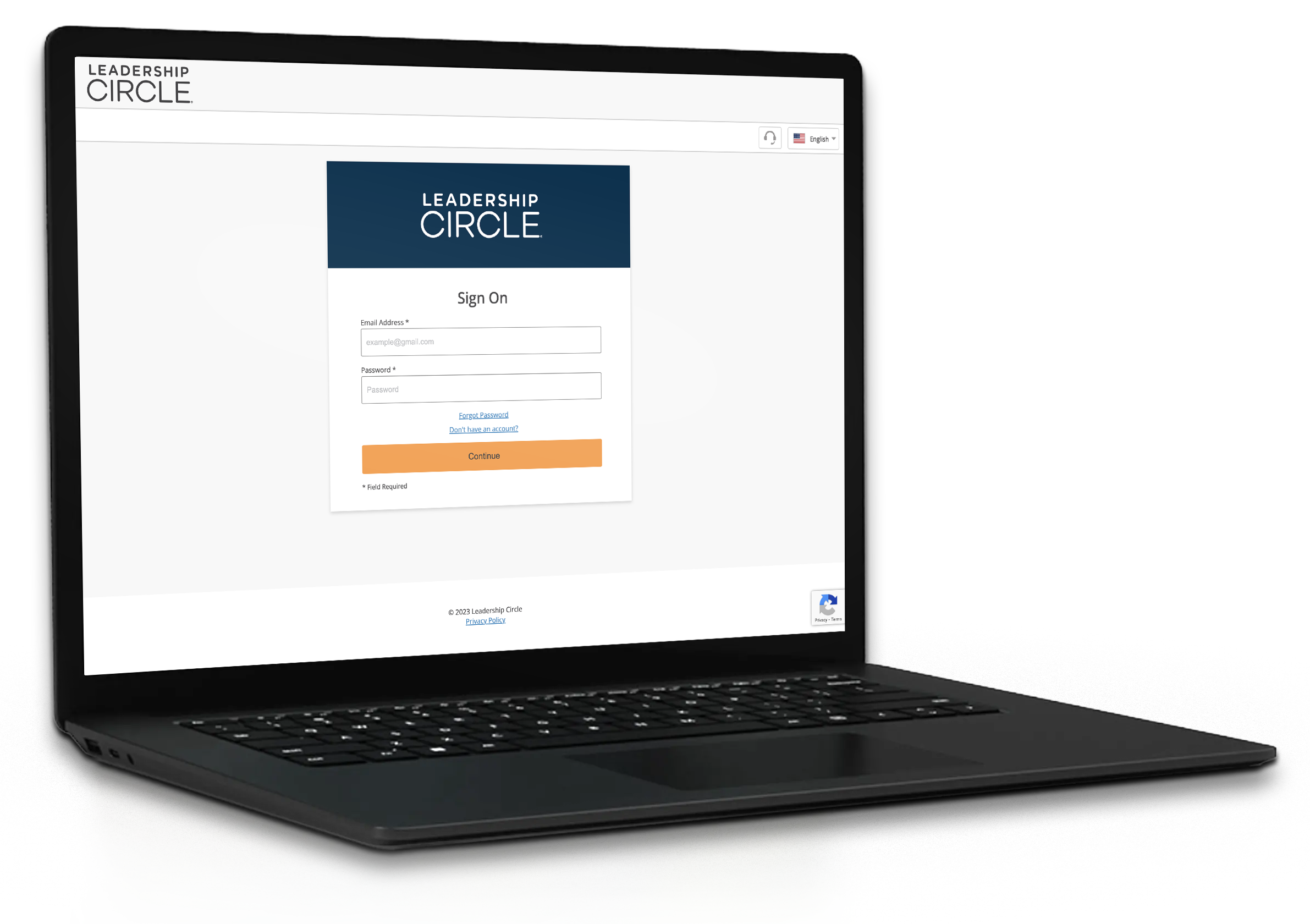
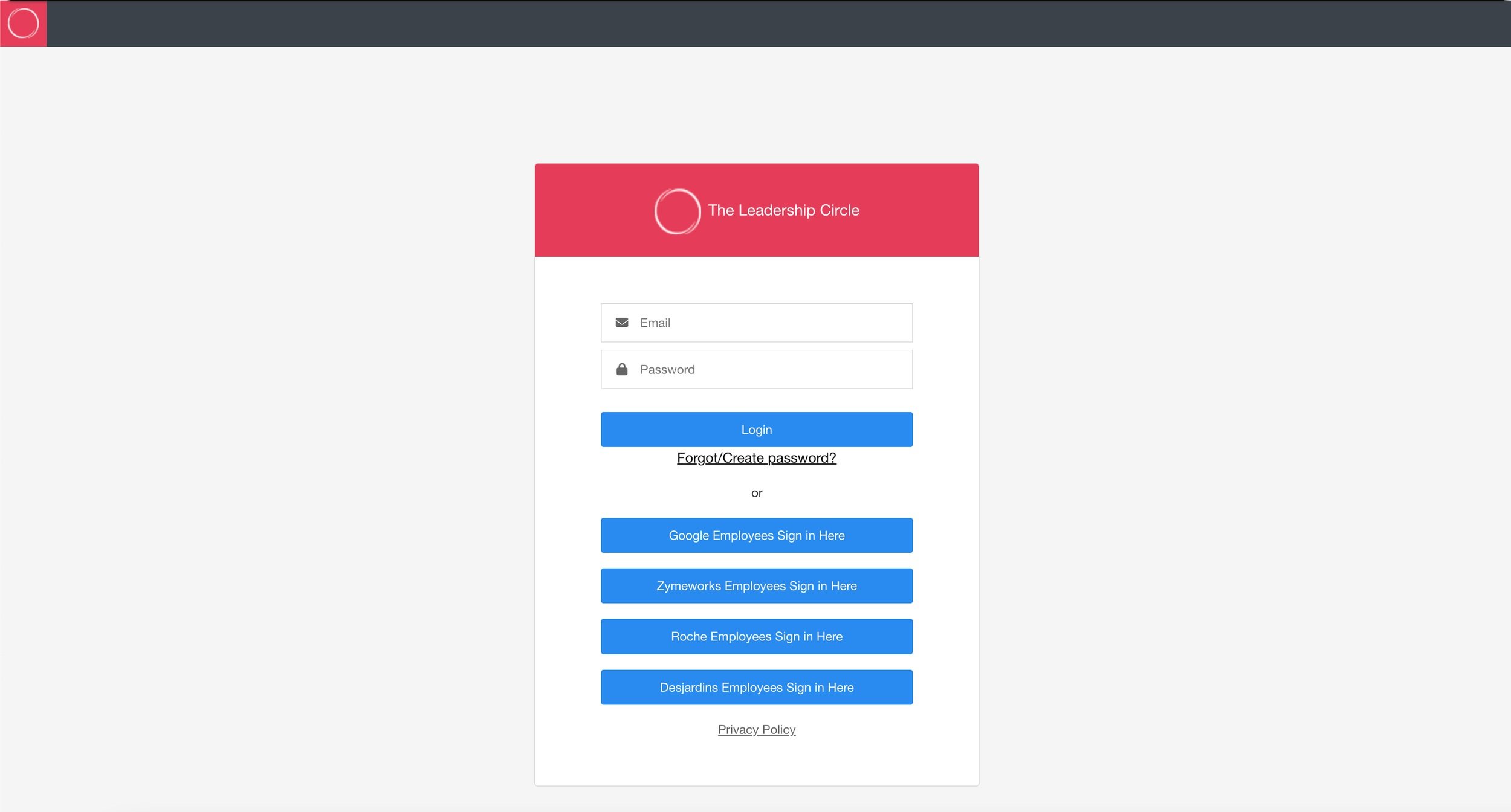
The Original login page
The Problem
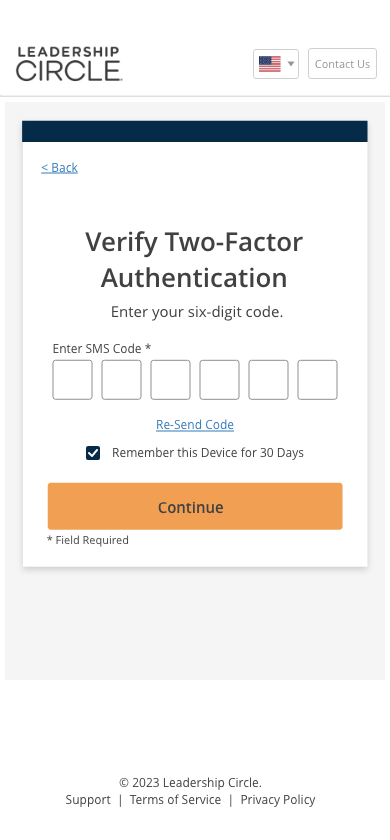
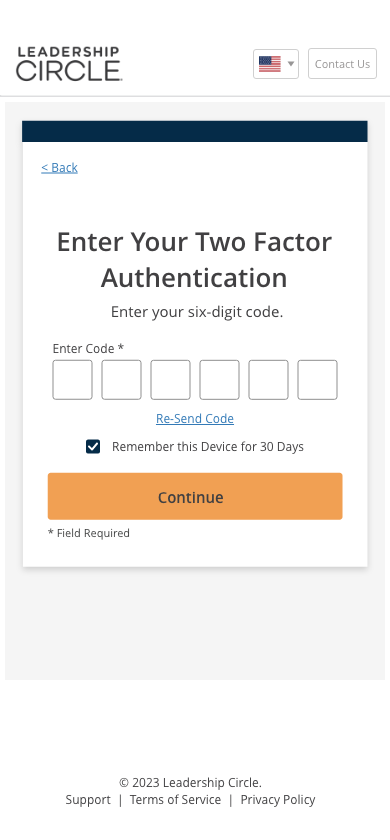
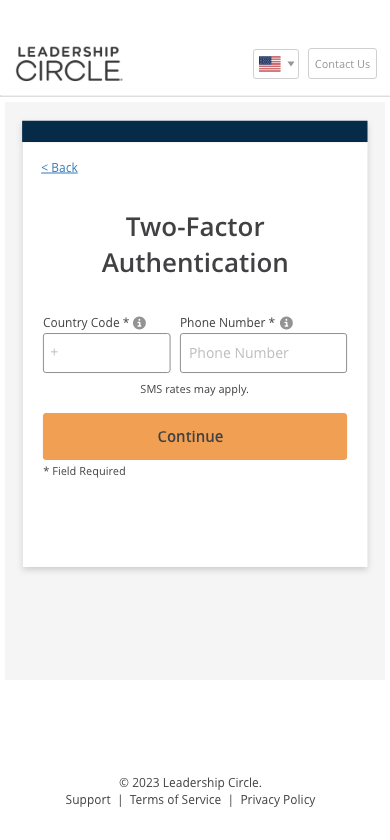
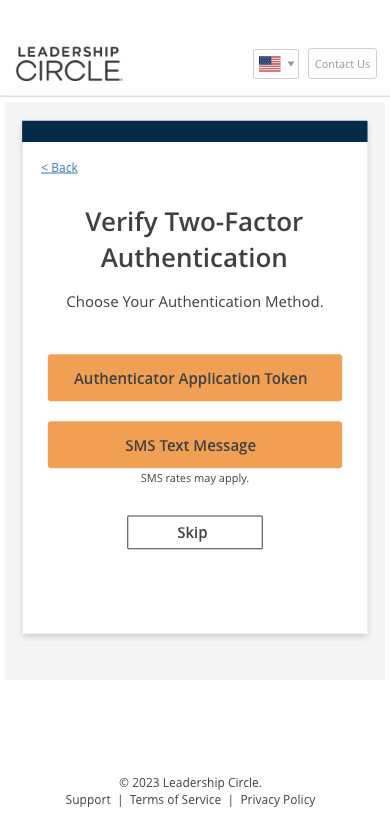
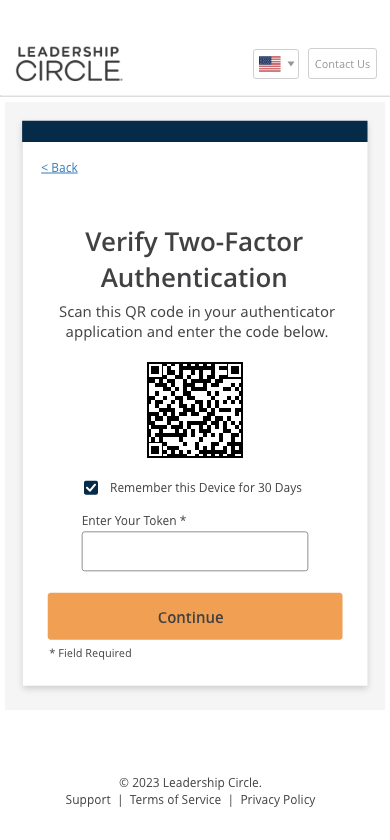
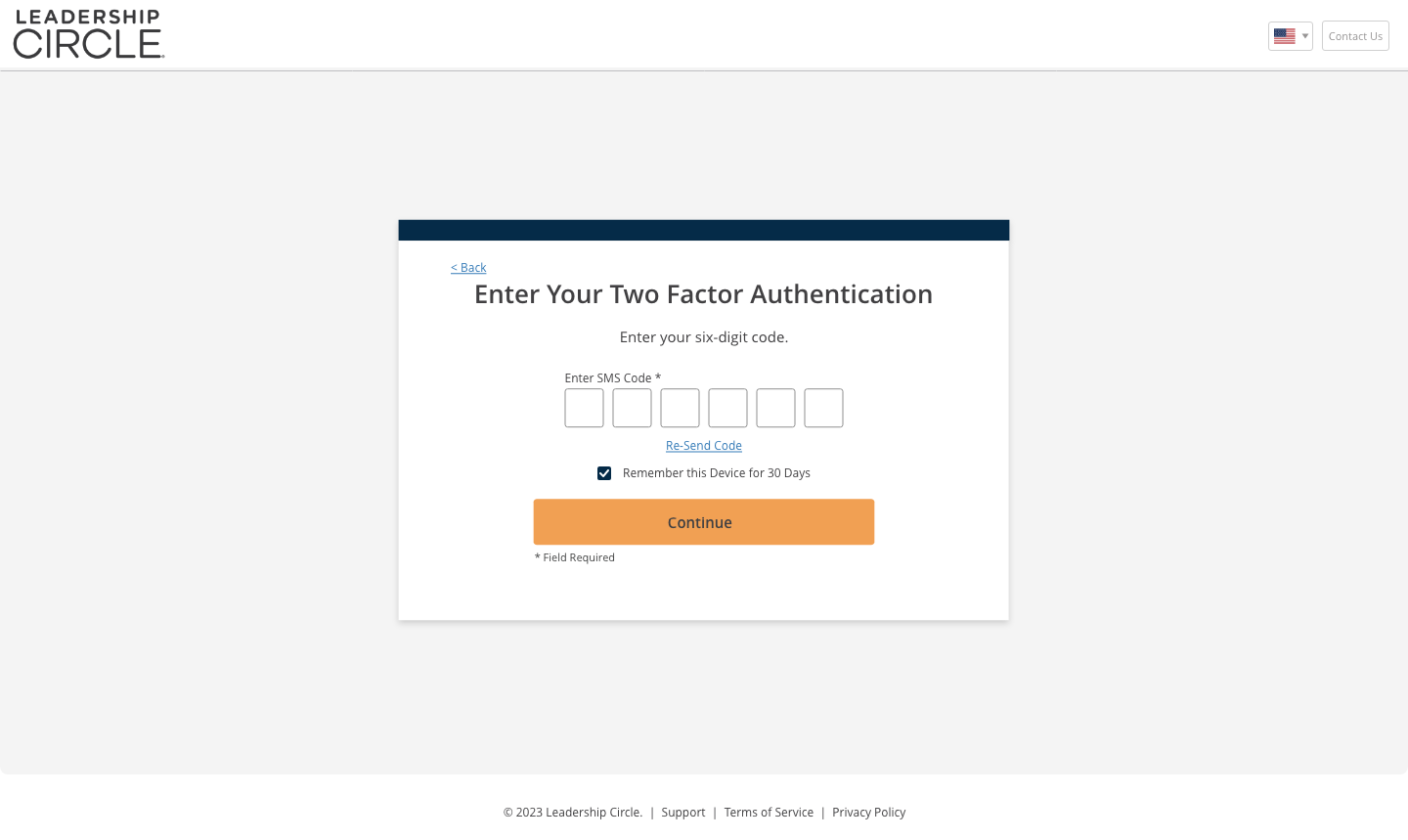
The legacy login system had several critical flaws. It relied on multiple individual SSO buttons for different enterprise clients. This design pattern introduced both security vulnerabilities (such as social engineering attacks) and user confusion. Two-factor authentication was missing entirely, leaving accounts more exposed to unauthorized access. The system also offered little guidance for users who were unaware they already had employer-created accounts. On top of that, the original login page was not mobile-compatible, creating additional friction for users accessing the platform from their phones or tablets, which was especially common among busy executives. The result was a fragmented and inconsistent experience that generated frequent support requests and eroded trust.
Target Demographic
Enterprise and individual clients
Participants completing surveys for enterprise users
Internal employees
Project Managers and Coaches
Objectives
Streamline login for a wide range of user types and entry points
Reduce security vulnerabilities by removing outdated SSO patterns
Improve clarity for users unaware of employer-created accounts
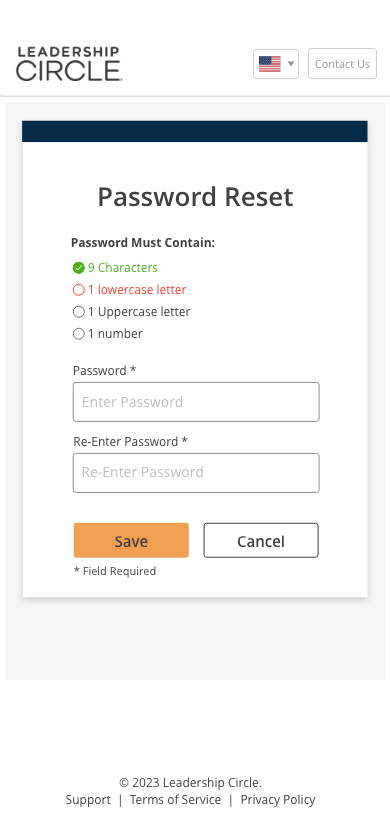
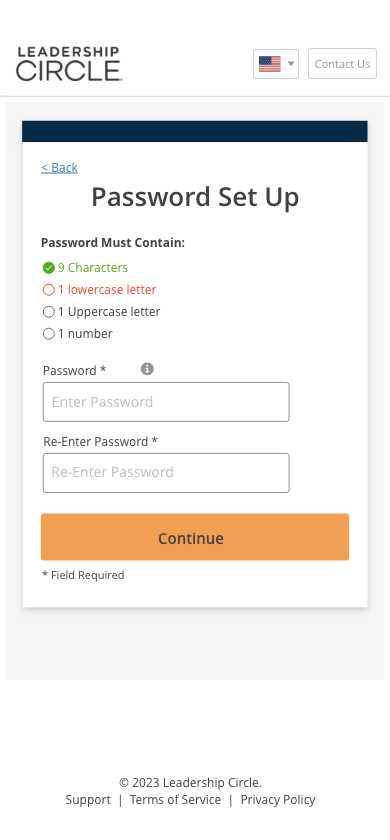
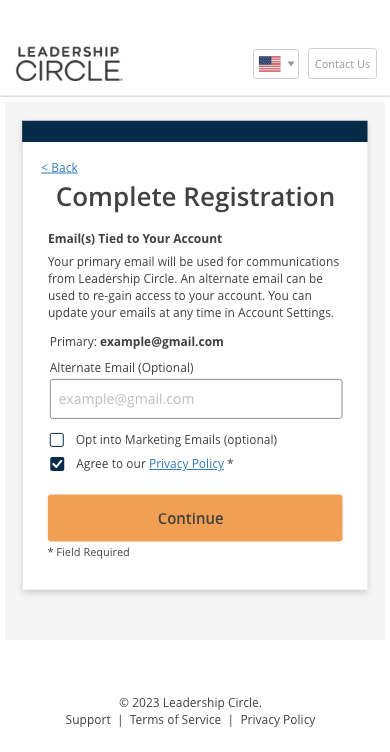
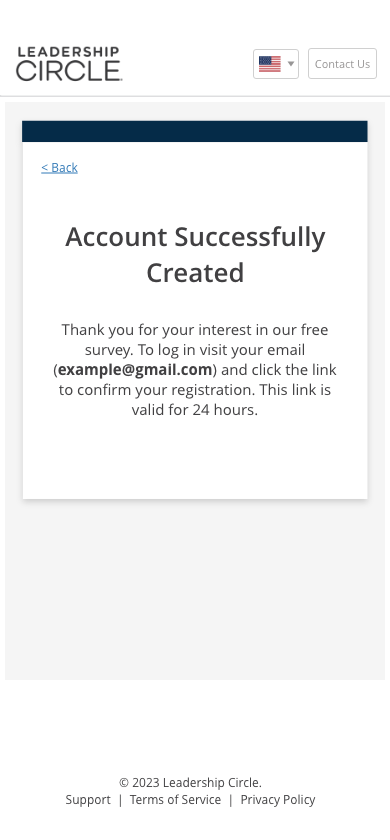
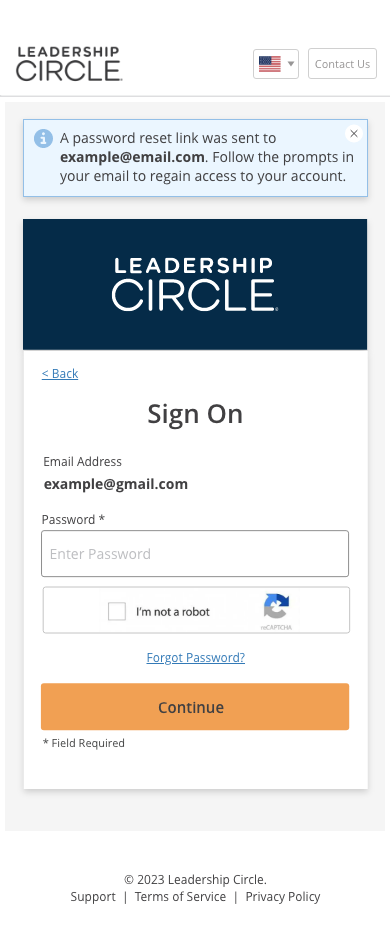
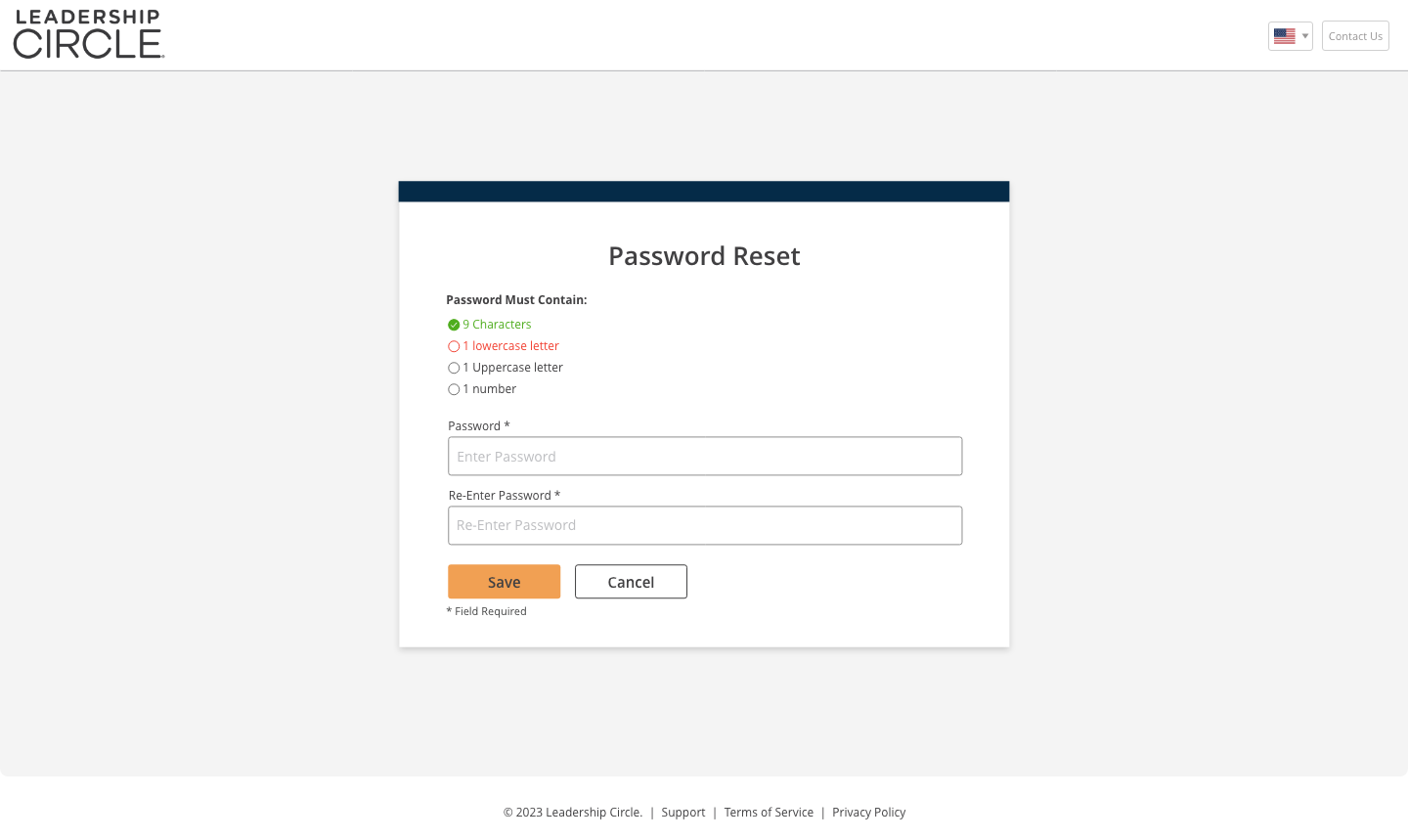
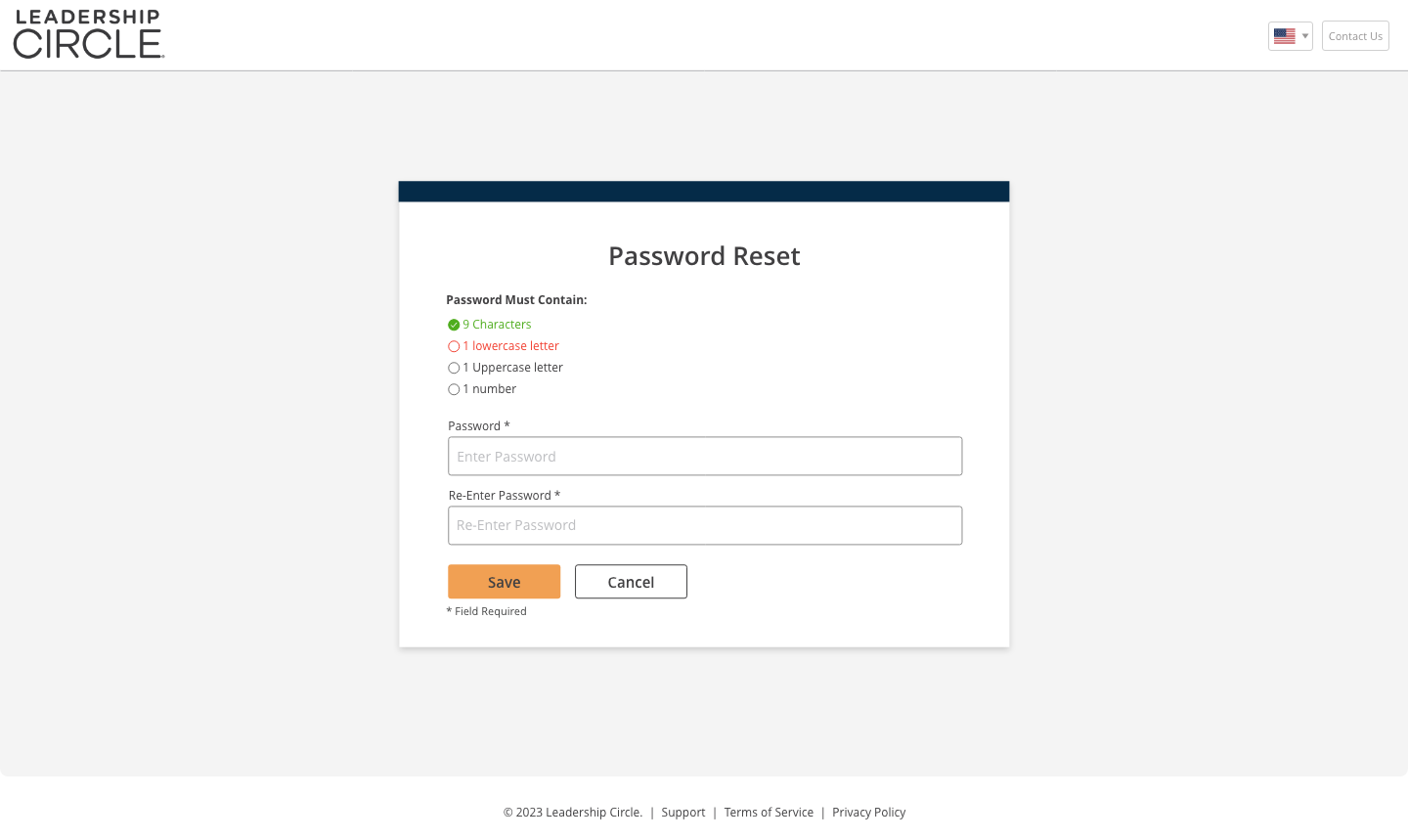
Design clear, branded, modern communication flows for account setup and password recovery
Flow Architecture and Iteration
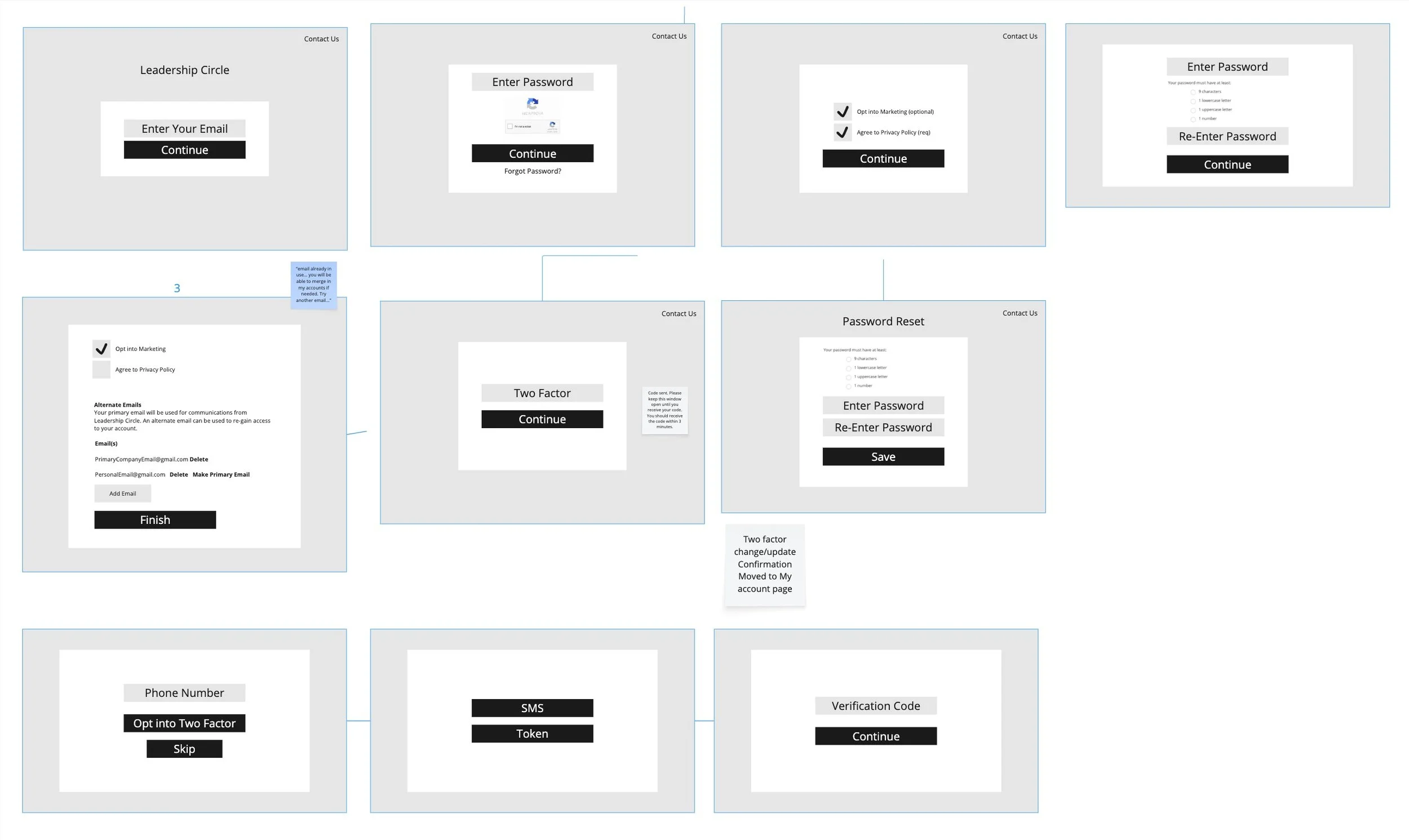
The project kicked off with limited clarity around technical constraints and user edge cases, so we began with simple user flows and low-fidelity wireframes. These early artifacts helped us engage stakeholders (both internal teams and enterprise clients) to start identifying needs from both a technical and user perspective.
As we refined the experience, it became clear that the login system would need to support a wide range of user types, entry points, and account scenarios. These collaborative working sessions helped align teams around the core flow logic and laid the foundation for a more flexible, scalable login experience.

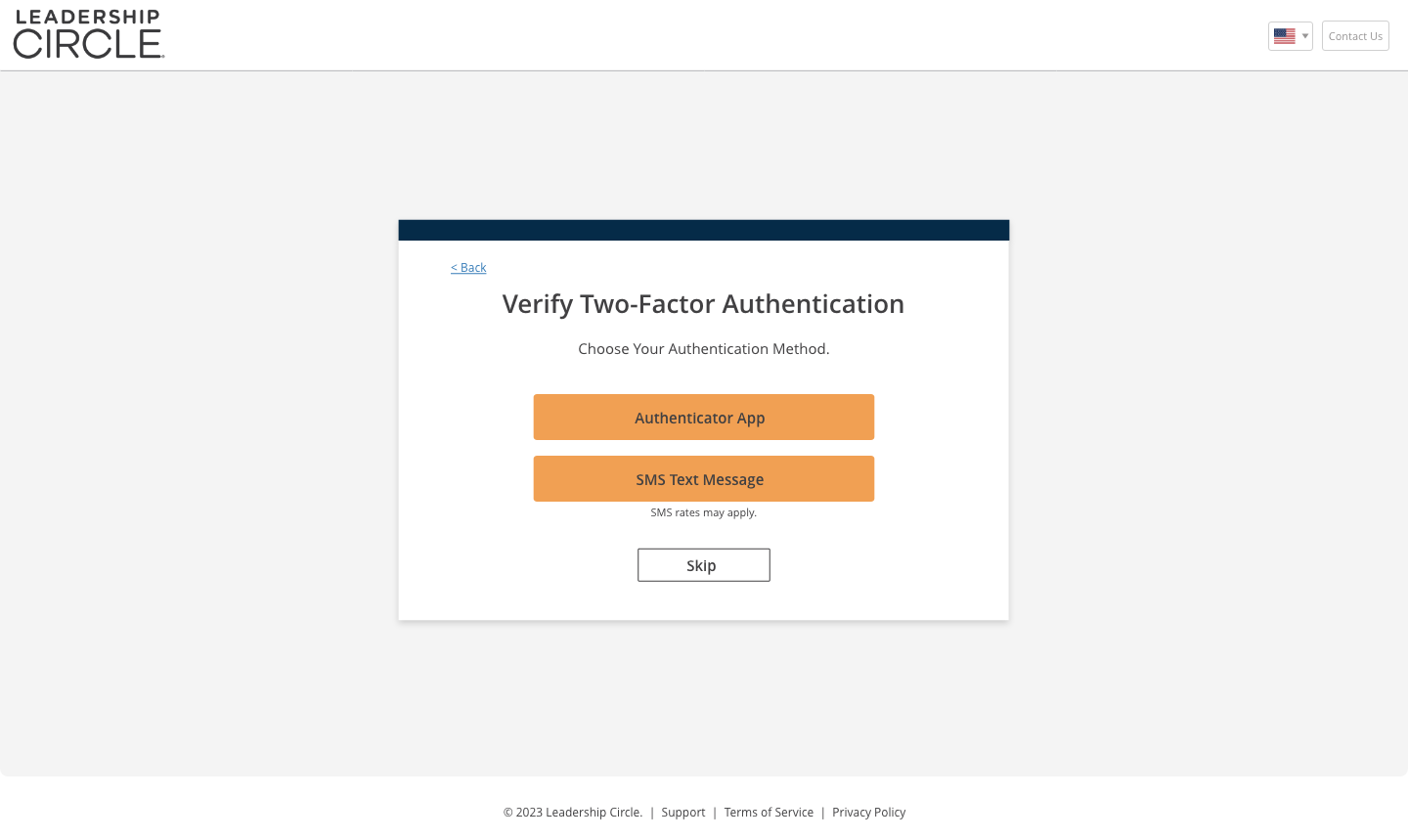

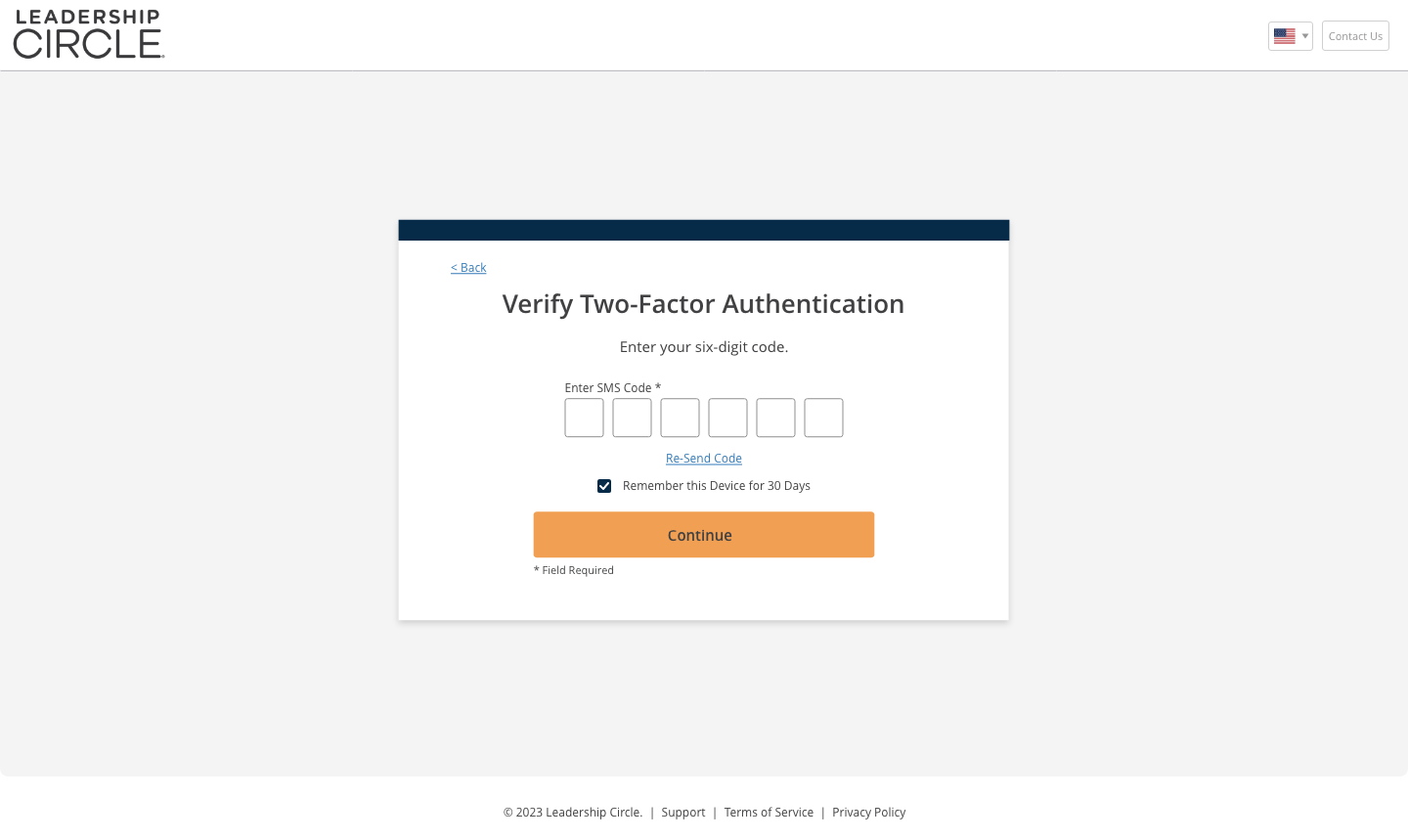
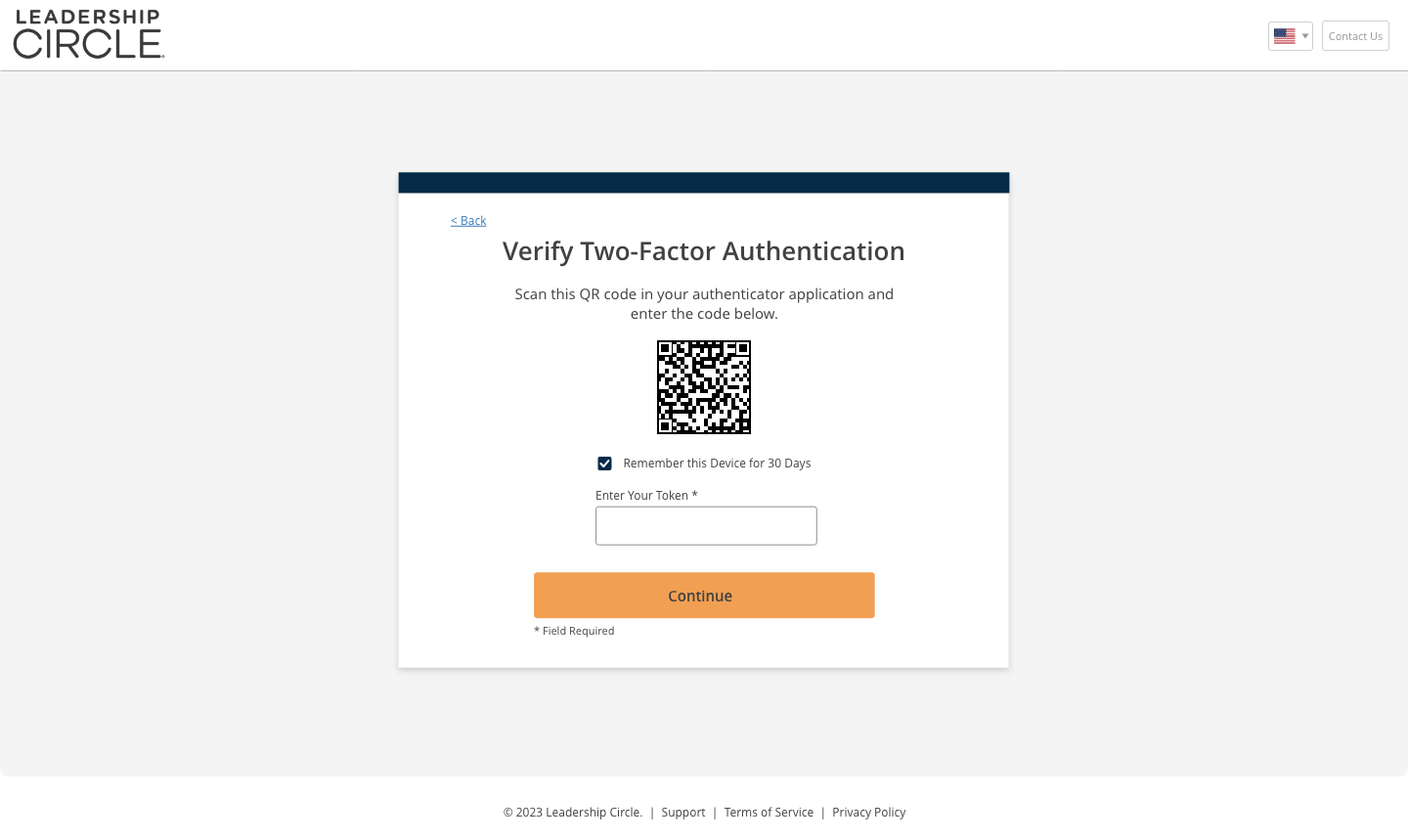
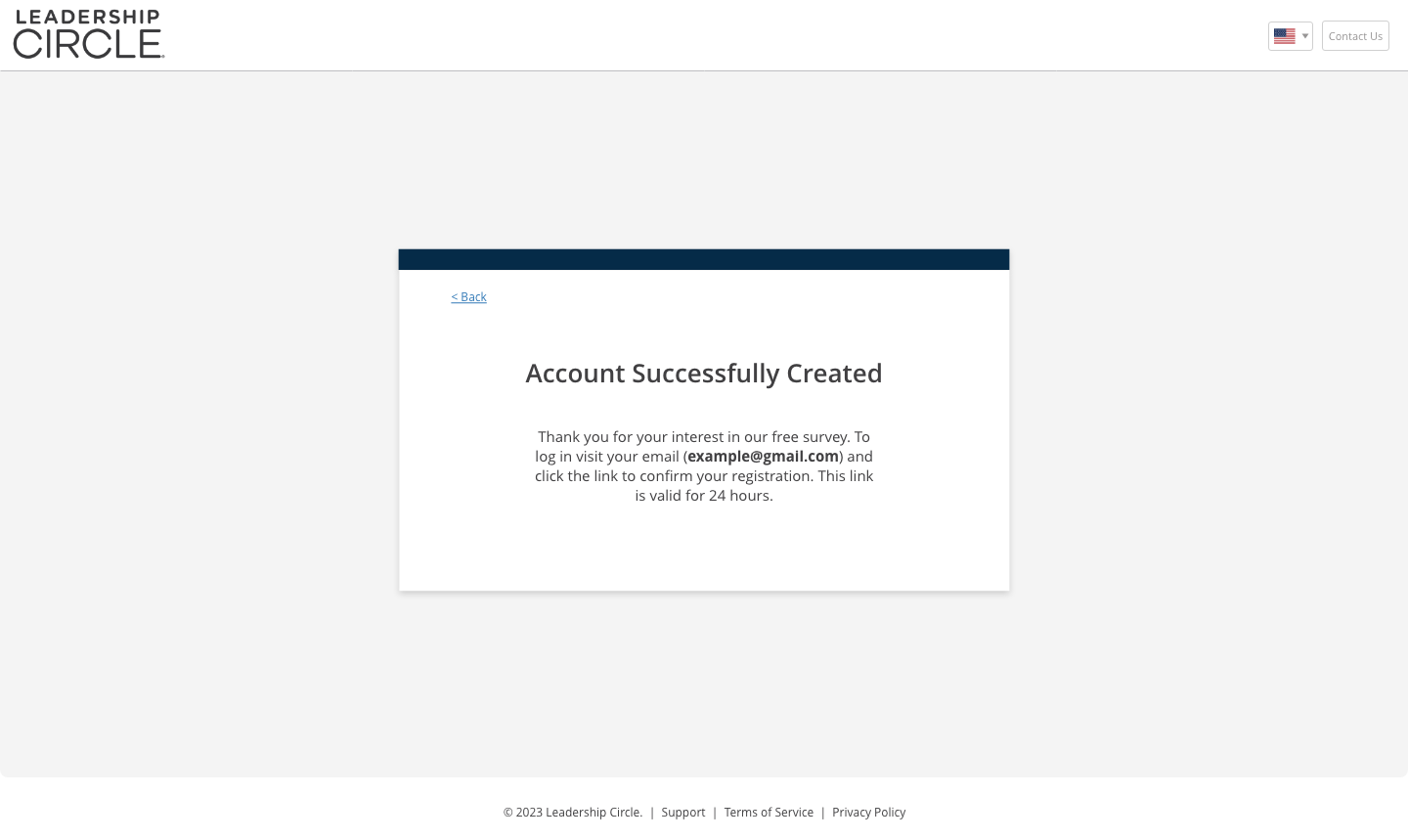
Outcome
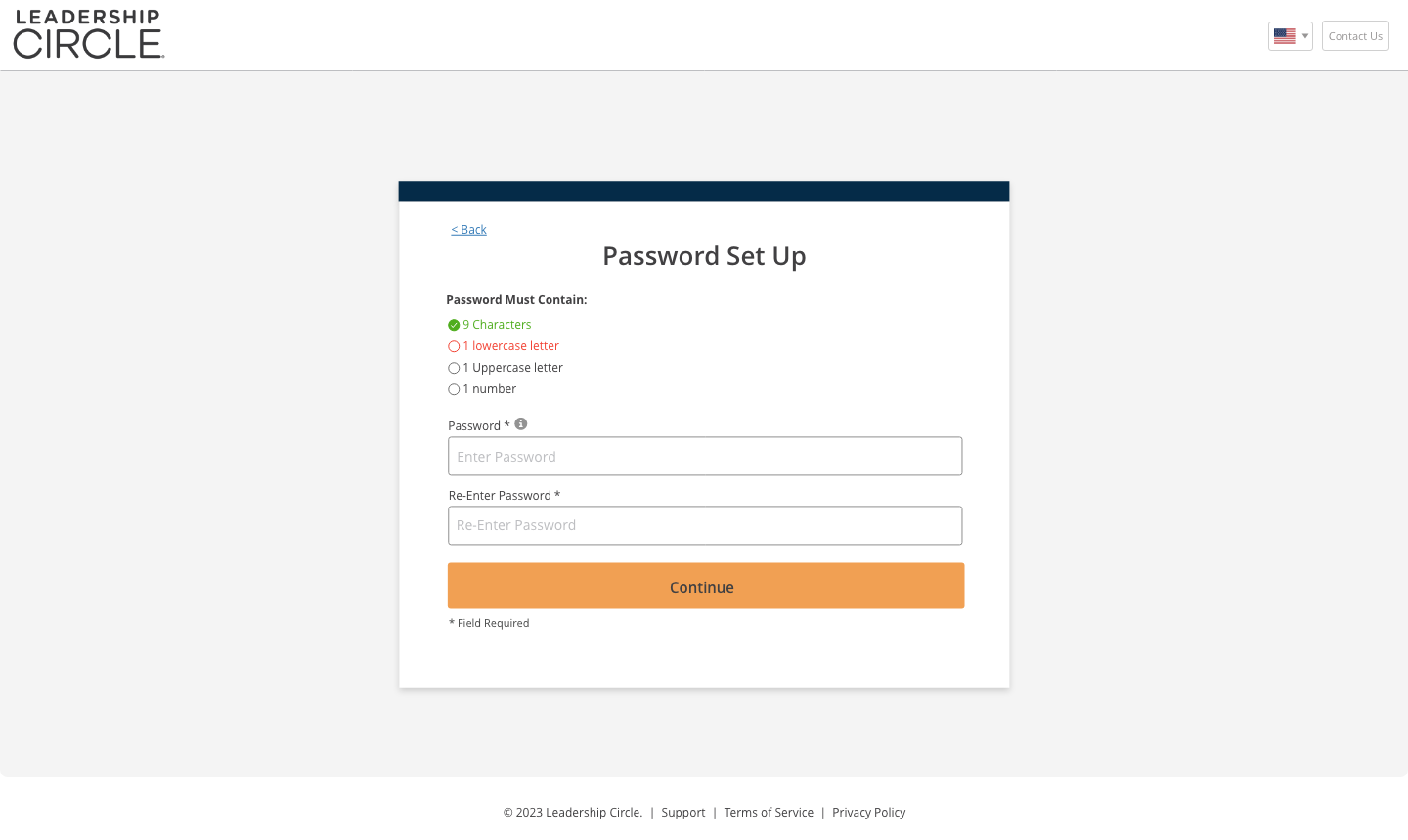
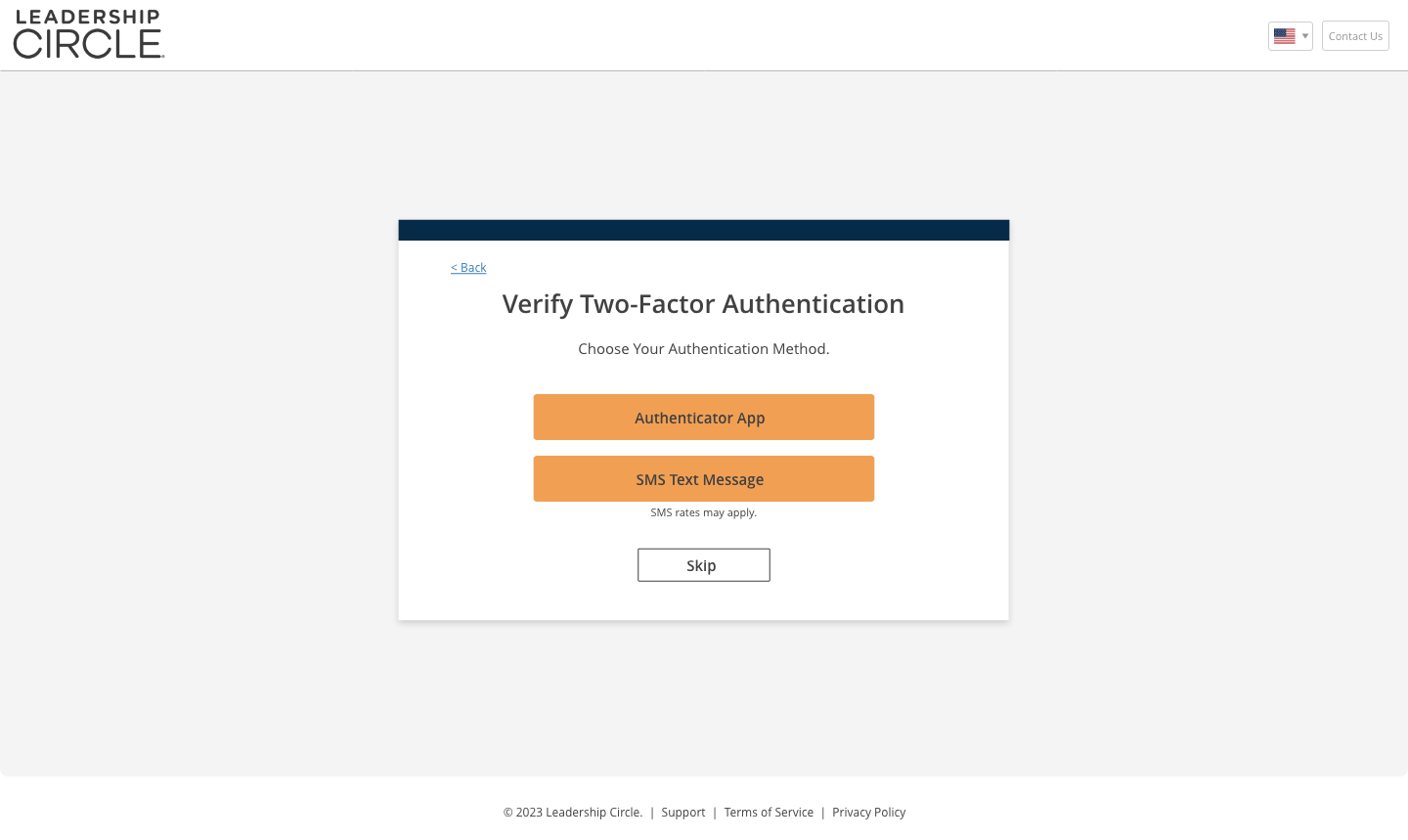
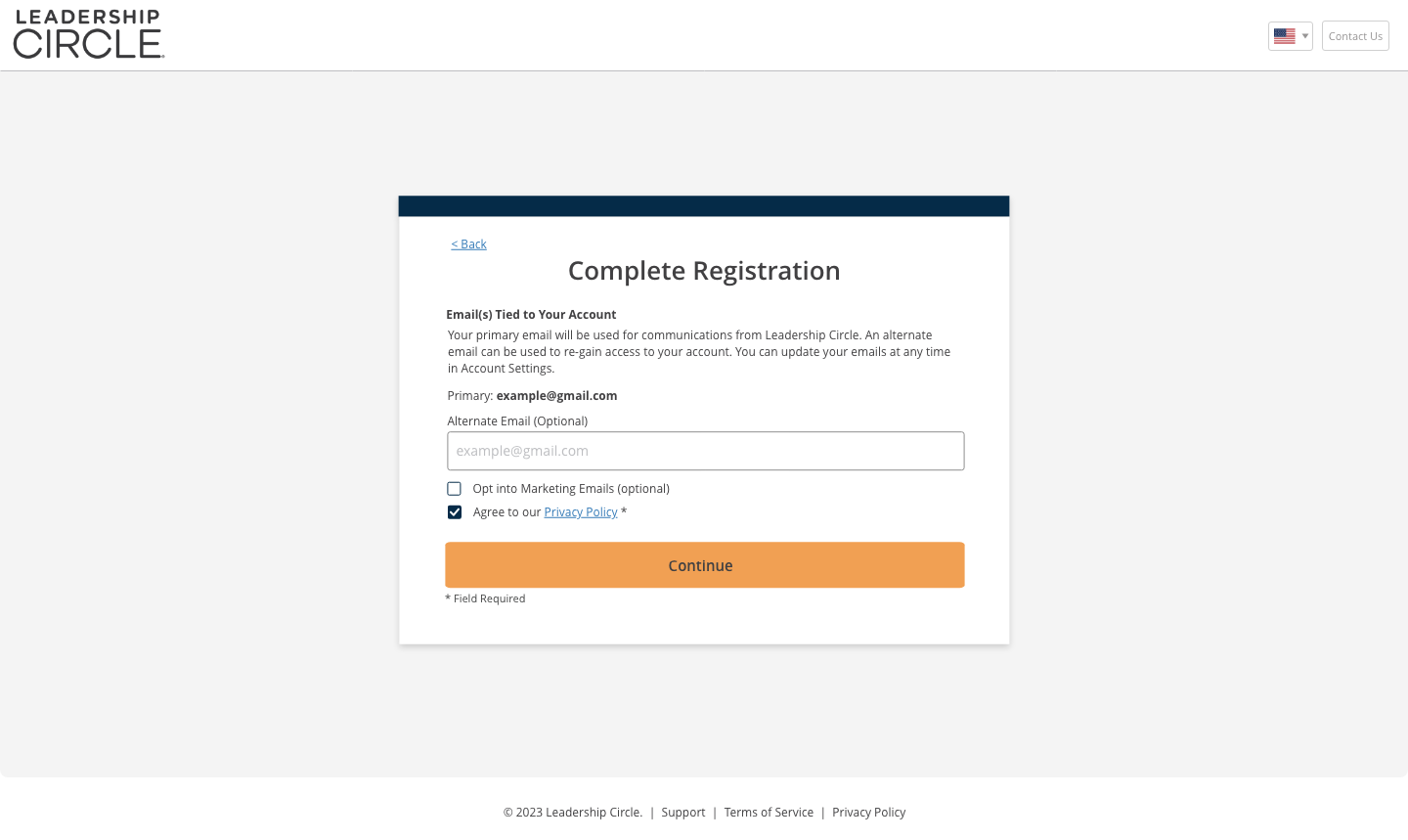
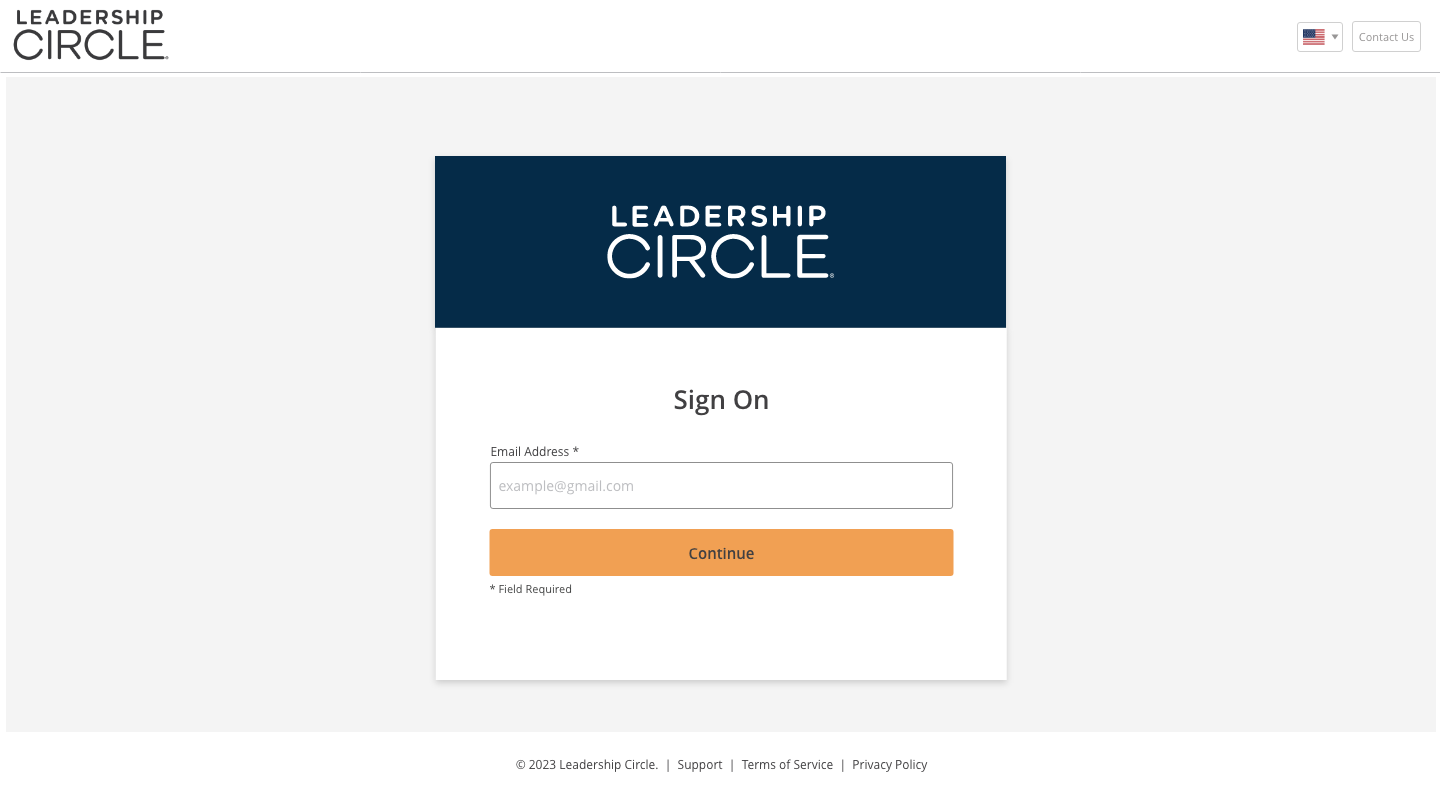
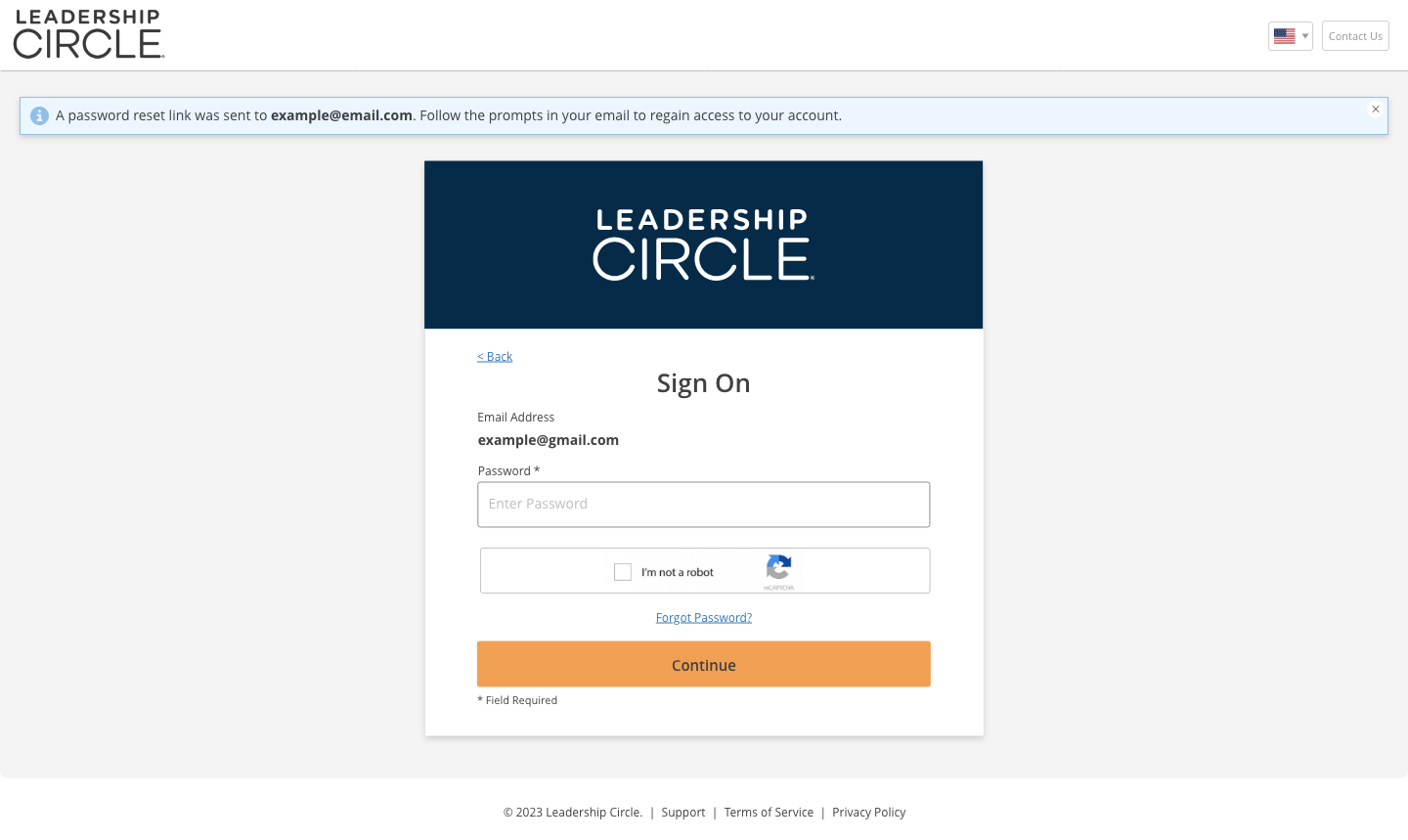
The result is a clearer, more modern, and secure login experience that reduces friction across user types. Early feedback has shown fewer support requests related to login confusion or access difficulties—giving both users and internal teams a smoother path forward.
Key Improvements
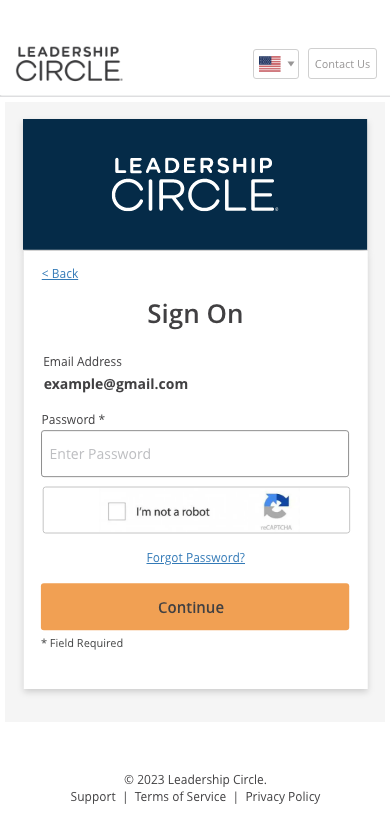
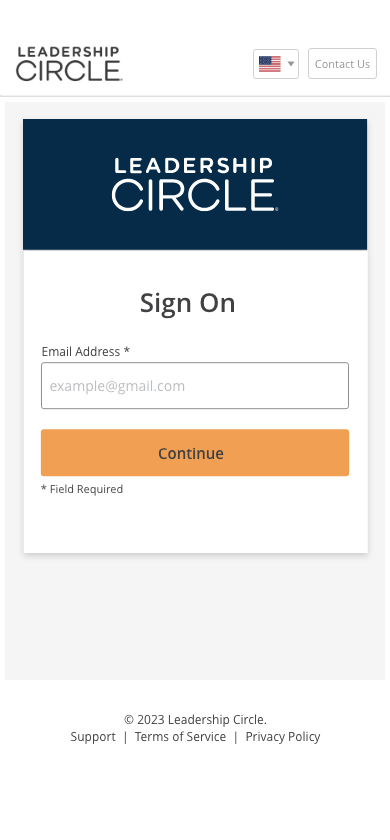
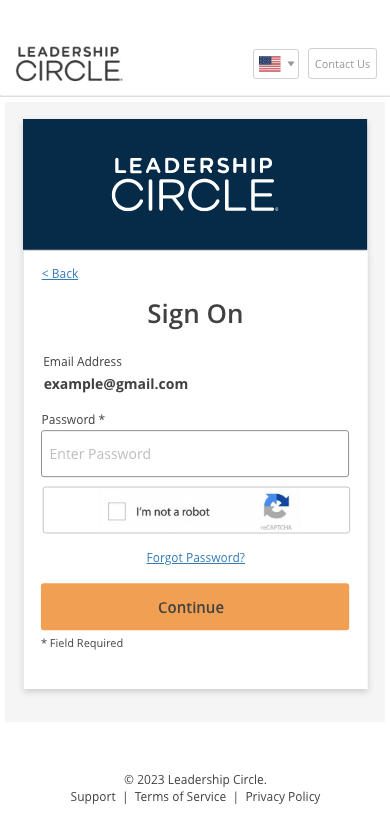
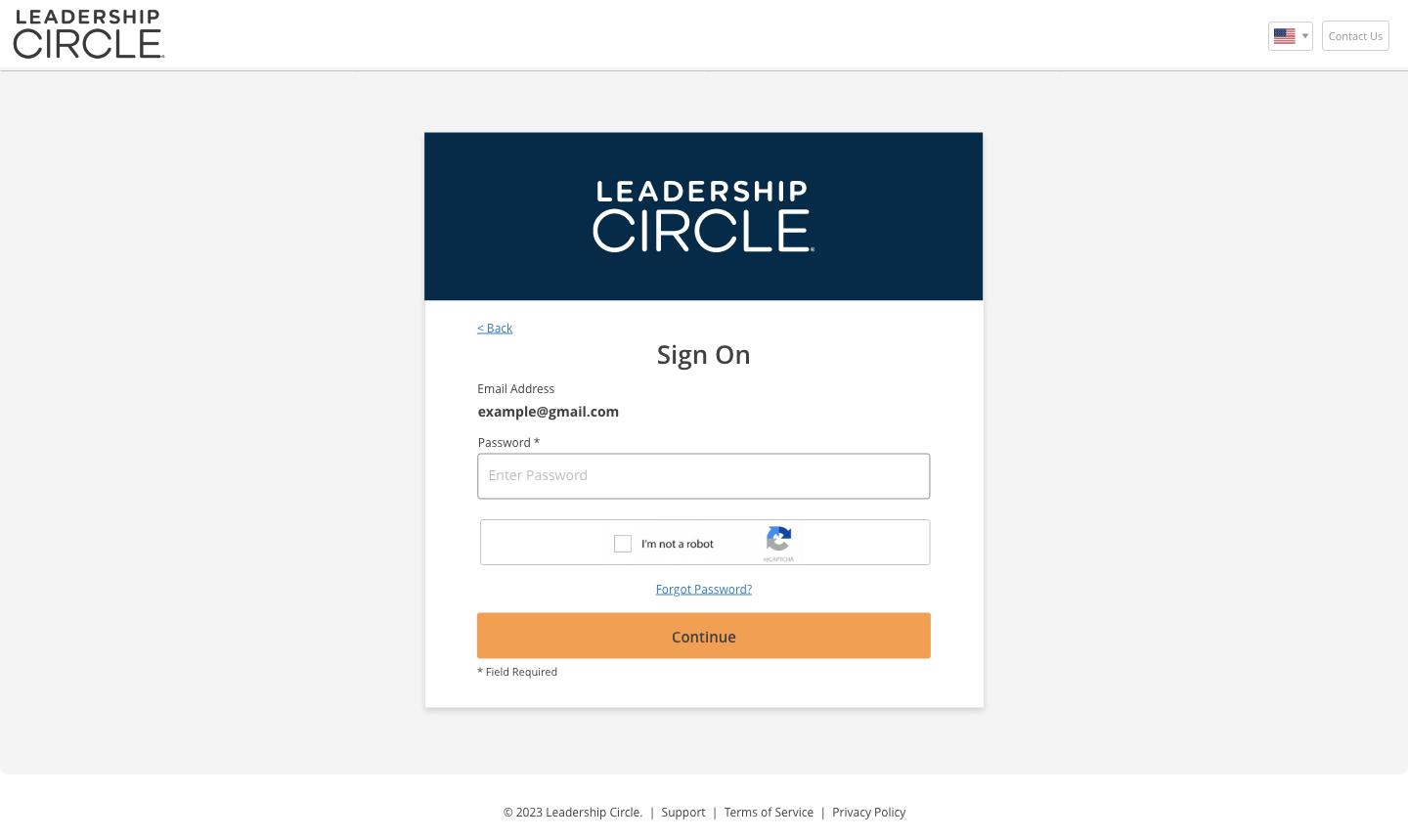
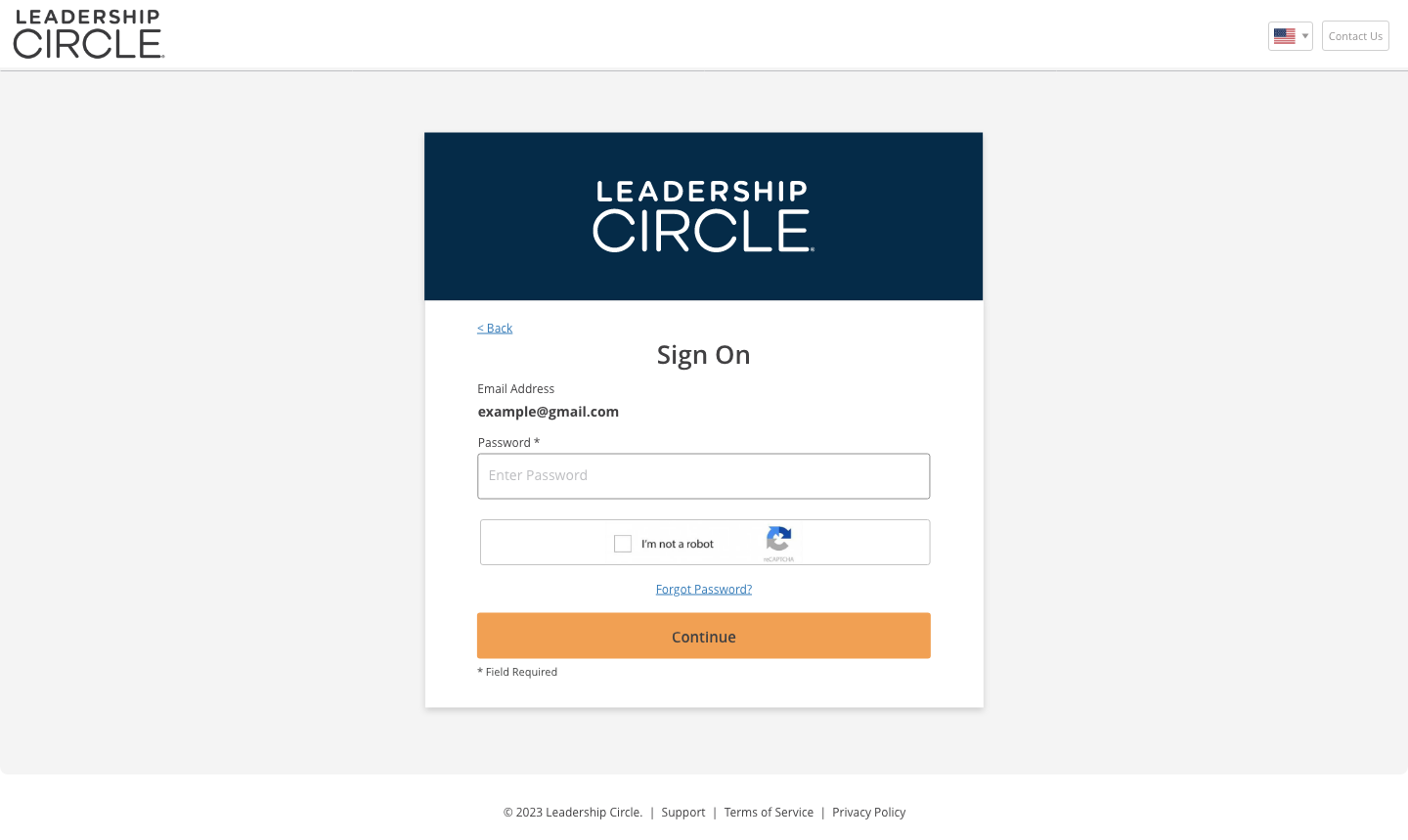
Security Upgrade: Consolidated login into a single entry point that identifies routing based on email, eliminating multiple SSO buttons
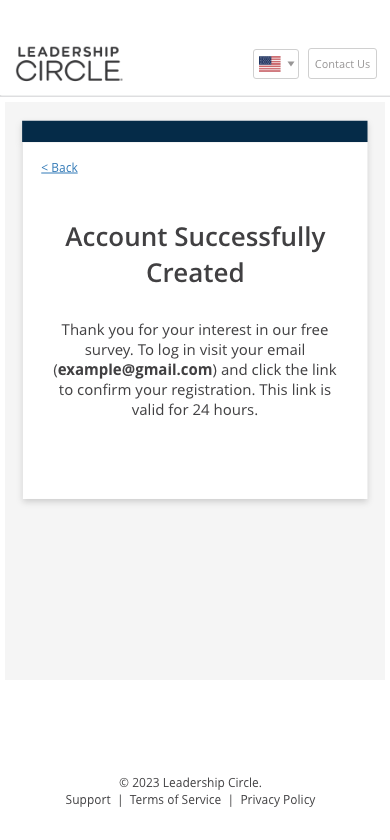
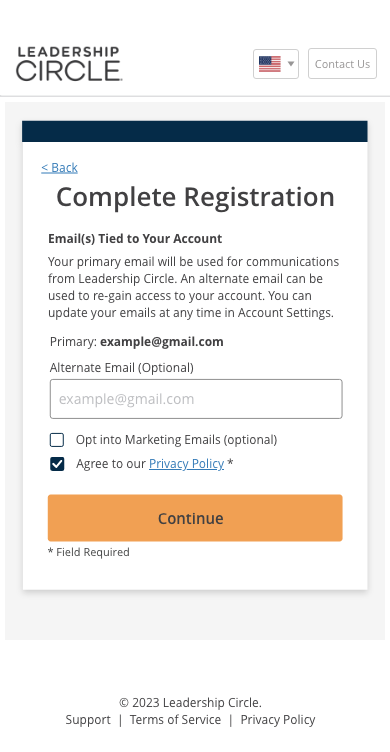
Account Awareness: Clearer onboarding for users who didn’t know they had an account
Email Clarity: Designed modular email templates to support smoother onboarding and self-service flows
Flow Versatility: Accounted for various scenarios like employer-created accounts, course registration, or self-assessment participation